The Best Native Plants to Attract Hummingbirds Naturally
There are few things more exciting than spotting a hummingbird in your yard.
Last year, I finally experienced that magic for the first time after putting up a feeder—and I completely understand the hype now. But what I didn’t expect was the maintenance.
Keeping a hummingbird feeder clean is no small task. It needs to be cleaned and washed about once a week, and the sugar water should be replaced every few days (more often in hot weather). Skip that, and you risk harming the very birds you’re trying to attract. While there are feeders designed to make cleaning easier, it’s still a level of upkeep and responsibility I wasn’t expecting!
So this year, I’m taking a different approach.
Instead of relying on feeders, I’m focusing on something much simpler—and better for everyone involved:
Native plants.
Affiliate Disclosure: This post contains affiliate links, which means I may earn a small commission if you make a purchase through one of my links, at no additional cost to you. I only recommend products and resources I genuinely think are helpful.
Why Native Plants Are Better for Hummingbirds
Planting native flowers gives hummingbirds exactly what they’re looking for, without the upkeep.
Here’s why they’re such a great alternative:
- Natural food source with no risk of spoiled sugar water
- Supports the full ecosystem, including insects and other pollinators
- Lower maintenance once established
- Better adapted to your local climate
Another interesting detail: hummingbirds are especially attracted to bright red and orange flowers. These colors signal high nectar content, which is why most hummingbird feeders are red.
With that in mind, this list focuses primarily on red native flowers that grow well across much of the United States, including the Midwest.
Native Plants That Attract Hummingbirds
Columbine (Aquilegia canadensis)

- Sun: Full sun to shade
- Height: 1–3 feet
- Bloom Time: May–June
- Soil: Dry to medium
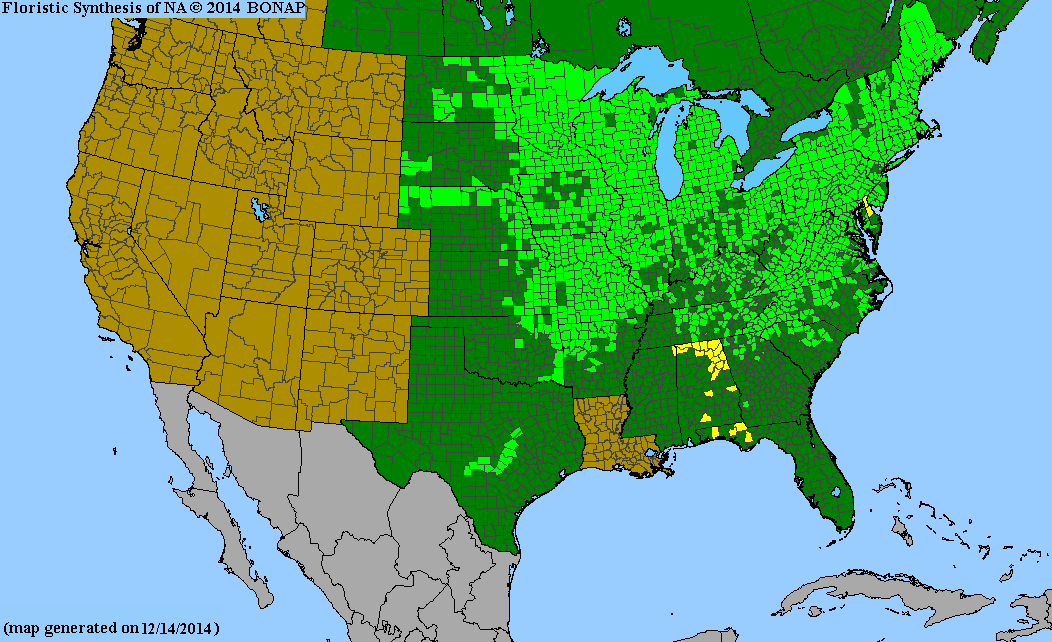
- Region: View native range map
Columbine is one of the earliest nectar sources available, making it especially valuable during spring migration. Its delicate, nodding flowers are well-suited for hummingbirds. If you’re looking to add it to your garden, you can find seeds here:
Royal Catchfly (Silene regia)

- Sun: Full sun
- Height: 2–4 feet
- Bloom Time: July–August
- Soil: Medium
- Region: View native range map
Royal catchfly is a striking prairie native with vivid red flowers that hummingbirds are naturally drawn to. If you’re looking to add it to your garden, you can find seeds here:
Cardinal Flower (Lobelia cardinalis)

- Sun: Full to partial sun
- Height: 2–5 feet
- Bloom Time: July–September
- Soil: Moist to wet
- Region: View native range map
Cardinal flower is an excellent choice for wetter areas. Its tall spikes of bright red flowers provide a reliable nectar source in late summer. If you’re looking to add it to your garden, you can find seeds here:
Red Bee Balm (Monarda didyma) / Wild Bergamot ((Monarda fistulosa)

- Sun: Full to partial sun
- Height: 3–5 feet
- Bloom Time: June–August
- Soil: Medium to wet
- Region: View native range map
Bee balm is a hummingbird favorite, thanks to its nectar-rich, tubular flowers. Native bee balms come in shades of red, pink, lavender, and purple, depending on the species, and they’re also valuable food sources for bees and butterflies. Wild Bergamot (Monarda fistulosa) is a widely available native option with soft lavender flowers.
Best Hummingbird Plants by Region
While the plants listed above are excellent choices for much of the United States, the best results will always come from choosing species native to your specific region.
Native plants have evolved alongside local wildlife, which means they provide the most reliable nectar sources for hummingbirds in your area.
If you’re not sure what’s native where you live, I’ve put together a guide to help you get started:
What Native Plants Grow in Your Area
This guide will help you:
- Identify plants native to your state
- Choose varieties suited to your soil and sunlight
- Build a landscape that supports pollinators year-round
A Simple Strategy for Attracting More Hummingbirds
If you want consistent visits, it helps to think beyond just one plant.
Consider the following:
- Plant a mix of early, mid, and late bloomers
- Group flowers in clusters to make them easier for birds to find
- Using simple wooden plant markers can help you keep track of what you’ve planted.
- Add a bird bath or water source if possible
- Even a shallow dish of water can help attract hummingbirds, especially if there’s a bit of movement. A small solar fountain is an easy way to add that without much effort.
- Avoid pesticides, as hummingbirds rely on insects too!
Even adding just a few of these plants can make a noticeable difference.
Recommended Tools for a Hummingbird-Friendly Garden
If you’re planning to add a few of these plants, these simple tools can make it easier to get started:
- Easy-to-clean hummingbird feeder – a good option if you still want to supplement with nectar
- Feeder cleaning brushes – makes weekly cleaning much easier
- Wooden plant labels – helpful for keeping track of new plantings
- Solar water fountain – adds gentle movement that attracts more birds
Final Thoughts
Hummingbird feeders can be fun—but they’re not the only way to bring these birds into your yard.
By planting native flowers, you’re creating a space that’s:
- lower maintenance
- safer for wildlife
- and more connected to your local ecosystem
And honestly… there’s something even more rewarding about seeing a hummingbird choose your garden over anything else.